
Loading...
Serving Mission, TX and surrounding areas. (956) 833-0099
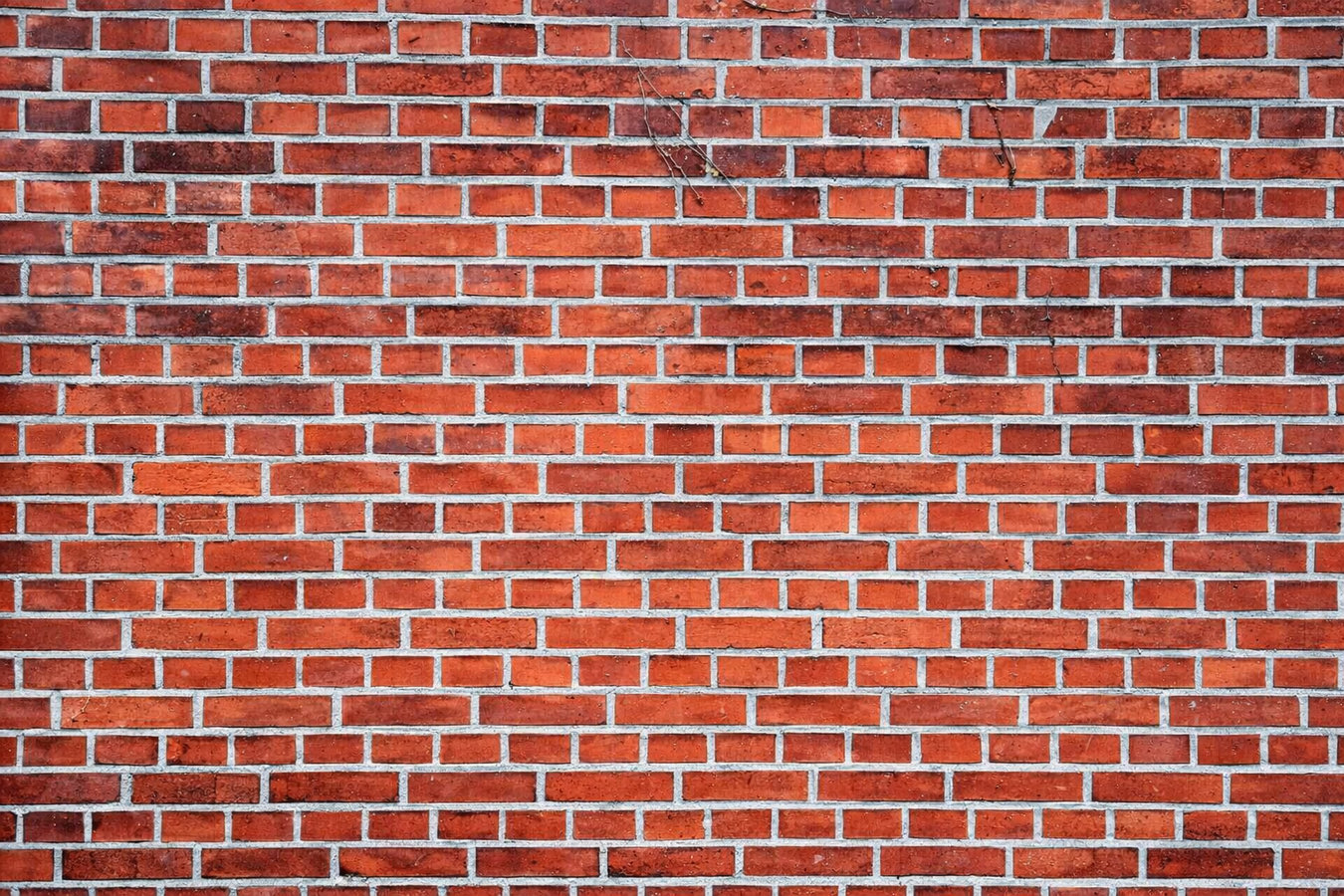
Crumbling mortar joints let water into your walls, one rain event at a time. We restore the joints that hold your bricks together using the right mortar mix for South Texas conditions.
Brick pointing in Mission, TX is the process of removing crumbling mortar from the joints between bricks and packing in fresh material, restoring the seal that keeps water out and the wall structurally sound, with most jobs taking one to five days depending on wall size.
The mortar joints between bricks are designed to be the sacrificial layer in a wall - they absorb stress and moisture so the bricks themselves do not have to. When those joints wear out, water starts moving through the wall, and in Mission's late-summer rain season, that exposure happens fast. Many Mission homes in established neighborhoods near downtown were built in the 1970s and 1980s, and the mortar on those homes is at or past the end of its natural lifespan - even if the bricks look solid.
If your existing mortar joints are already damaged and you are also noticing cracks or movement in the wall structure, it is worth asking about foundation repair at the same time. Mortar cracking and foundation movement sometimes go hand in hand on properties with active clay soil.
Stand back from your brick wall, chimney, or fence and look at the thin lines of material between each brick. If those lines look recessed, crumbly, or have visible gaps, the mortar is failing. This is the clearest sign that pointing work is needed - and the sooner you address it, the less likely you are to deal with water damage inside the wall.
A chalky white residue on the face of your bricks is a sign that water is moving through the wall and carrying dissolved salts to the surface. In Mission's humid summers and wet fall season, this is a common early warning sign. It almost always means the mortar joints need to be inspected and likely repaired before the next heavy rain season.
Because Mission sits on clay-heavy soils that shift with moisture changes, diagonal cracks in mortar joints are more common here than in drier parts of the country. If you see cracks that run at an angle - especially near corners or window openings - a mason can tell you whether the cracking is stable and cosmetic or whether it points to something structural.
Mortar has a natural lifespan of 25 to 30 years under normal conditions. If your Mission home is 35 or more years old and you have no record of pointing work being done, the joints may be due for attention even if nothing looks obviously wrong yet. A quick inspection by a qualified mason can tell you where things stand before a problem develops.
We repoint brick walls, chimneys, garden walls, and exterior masonry for Mission homeowners using a methodical process - removing the old mortar to the right depth, matching the new mix to the existing wall chemistry, packing the joints by hand, and finishing them to match the original profile. Getting the mortar mix right is one of the most critical parts of the job and one of the most common places where cheap work fails. Mortar that is too hard for an older wall traps moisture and can crack the bricks themselves over time. The Brick Industry Association is the authoritative source on mortar matching standards for repointing, and following those guidelines is a basic expectation of any qualified mason. We also do chimney repointing as a standalone service, which is one of the more common requests we get from Mission homeowners who notice crumbling mortar at the roofline before it becomes a water intrusion problem. For properties with more significant damage beyond the mortar joints, we can also discuss tuckpointing as a complementary approach to restoring the wall's appearance and weatherproofing.
Every project gets a written estimate before work begins. We walk the wall with you, explain what we find in plain language, and give you a number you can hold us to. No vague quotes that change once the truck rolls up. For standard cosmetic repointing on existing walls, permits are typically not required in Mission - but if your project involves structural changes, we handle the permit process with the City of Mission on your behalf.
Best for homeowners with aging brick walls or garden fences showing crumbling or recessed joints that are letting moisture through.
Suited to homeowners who have noticed mortar crumbling at the roofline or are seeing water stains around the chimney inside the home.
A good fit for older Mission homes with brick exteriors where the mortar is failing across a wider section of the front or sides of the house.
Mission sits in the Lower Rio Grande Valley, where summer temperatures regularly exceed 100 degrees Fahrenheit and the area receives most of its annual rainfall in short, intense bursts during late summer and fall. Both of those conditions work directly against brick pointing work. Fresh mortar needs to cure slowly and evenly - when temperatures are extreme, it dries too fast on the surface while staying soft underneath, producing weak joints that crack within a year or two. For that reason, most experienced Mission masons schedule pointing work between October and April, when temperatures are consistent and mortar can cure correctly. The clay-heavy soils throughout Hidalgo County add another layer of pressure on mortar joints - walls shift slightly as the soil expands and contracts, and that movement is one of the main reasons Mission homeowners in older neighborhoods tend to see diagonal cracking patterns in their mortar.
Many of the brick homes in Mission's established neighborhoods were built between the 1960s and 1980s, and their mortar is reaching the natural end of its lifespan. We serve properties throughout Mission and the surrounding area, including McAllen and Edinburg. If your home falls in that age range and you have not had the mortar joints inspected recently, a visual check before the next rainy season is a worthwhile precaution.
We reply within one business day. We will ask a few basic questions - what type of structure needs work, roughly how large the area is, and whether you have noticed specific damage - so we can schedule a site visit prepared.
We walk the wall closely, check how deep the damage goes and whether any bricks are loose, and assess the existing mortar type so we can match it. You get a written estimate before any work begins - typically on the same visit or within one day.
We remove the old mortar to a proper depth using a grinder or chisel, then pack fresh mortar into the joints by hand and smooth it to match the original profile. Expect some noise from grinding equipment and mortar dust around the work area.
We clean the work area before leaving, then walk you through the finished joints. New mortar needs 24 to 48 hours before it gets wet and up to 28 days to reach full strength - avoid pressure washing the repaired area for at least a week.
Free written estimates. We reply within one business day. No pressure, no obligation.
(956) 833-0099Using the wrong mortar is one of the most common mistakes in brick pointing and can cause more damage than the original problem. We assess the existing mortar before selecting a new mix - because on an older Mission home, the wrong hardness level can crack the bricks themselves over time.
We schedule and perform pointing work during the fall and winter season when Mission temperatures allow mortar to cure correctly. A repair done right in October lasts decades. The same repair rushed in August heat may fail within a year or two.
Because Texas does not require a state license for masonry contractors, reputation and local references matter more here than anywhere else. We carry liability insurance and can point you to completed jobs in the Mission and Rio Grande Valley area before you commit to anything.
We walk every job with you before we start, explain exactly what we found and why it matters, and give you a written estimate you can hold us to. You know what you are paying for before a single tool comes out of the truck - no surprise charges after the fact.
Brick pointing is one of the most cost-effective ways to protect a masonry home - catching it while only the joints need work is far less expensive than waiting until bricks start to fail. We make that early fix straightforward and stress-free.
Address the underlying soil movement that often causes diagonal cracking in brick walls before repointing.
Learn MoreA two-color mortar technique that restores both the structural integrity and the finished appearance of a brick wall.
Learn MoreFall and winter slots fill up fast - call now or send us an estimate request and we will get back to you within one business day.