
Loading...
Serving Mission, TX and surrounding areas. (956) 833-0099
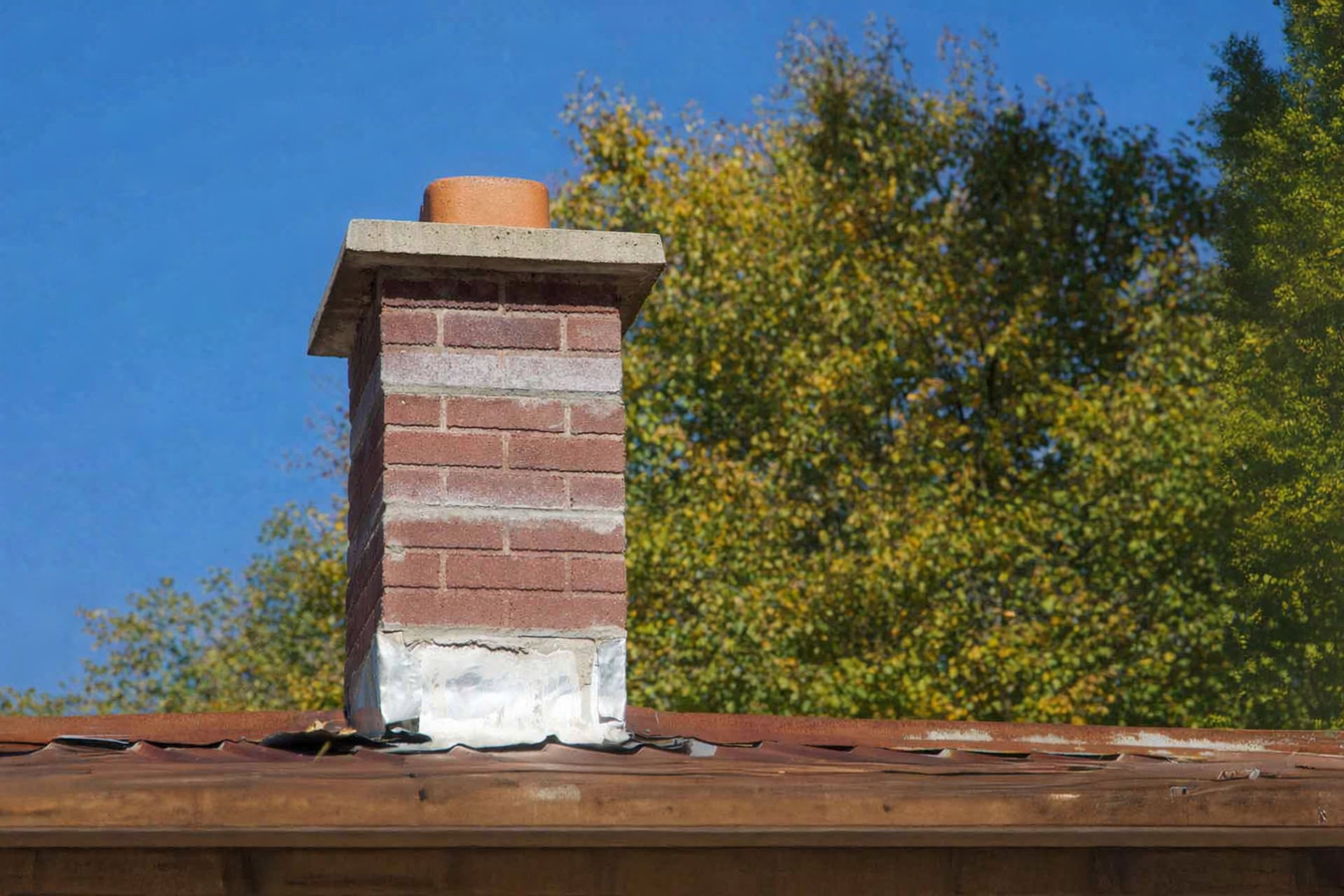
Crumbling mortar, a cracked crown, or a blocked flue are not just cosmetic problems. In Mission's climate, a single heavy rain event can push water deep into a chimney that has not been maintained. We assess, repair, and explain everything in plain language.
Chimney repair in Mission, TX addresses deteriorating mortar joints, cracked crowns, missing caps, and venting problems - and most routine repairs are completed in one to two days. The goal is stopping moisture and combustion gas from getting into places they should not be, before small problems become expensive structural damage.
A chimney is a system with several working parts: the firebox, the flue that carries smoke upward, the liner that protects surrounding masonry, and the cap that keeps rain and animals out. In Mission, the combination of heat cycles that break down mortar and occasional heavy rain events that exploit any crack makes regular maintenance more important than in cooler, drier climates. Homes built in the 1980s and 1990s - which make up a large share of Mission's housing stock - are now at the age where original mortar and crowns commonly start showing wear.
Chimney mortar repair - often called tuckpointing - is the most common fix we make. When mortar repairs are complete, we often recommend pairing the job with a review of your fireplace installation or gas venting system to make sure the entire system is performing safely.
That white residue is called efflorescence - it means water has been moving through the masonry and leaving mineral deposits as it evaporates. In Mission's climate, where rain events can be intense even if infrequent, this is a clear sign that moisture is working into the chimney structure.
Healthy mortar sits flush with the brick face and looks solid. When it pulls away, crumbles, or shows visible gaps, water can get in and the structural integrity begins to weaken. Given Mission's heat cycles, this kind of wear is common on chimneys that are 15 or more years old and have not been maintained.
You can often see the chimney crown from the ground using binoculars. If it looks cracked, chipped, or like pieces have broken away, water is almost certainly getting in every time it rains. This is one of the most common and most overlooked problems on older Mission-area homes.
A gurgling, whistling, or backdraft smell when you run a gas appliance that vents through a chimney can mean the flue is partially blocked or the venting system has a problem. In Mission, where chimneys often go long stretches without use, debris and animal nesting are common causes. This is a safety concern worth inspecting promptly.
The most common repair we make is tuckpointing - carefully removing crumbled or recessed mortar and replacing it with fresh mortar that sits flush with the brick face. This is one of the most cost-effective fixes a mason can make, and catching it early keeps water from working deeper into the chimney structure. Crown repair and rebuilding is often paired with tuckpointing because the crown - the concrete slab at the very top of the chimney - is what keeps rain from running down between the flue and the outer masonry, and once it cracks, water damage spreads quickly below it.
For gas fireplaces and gas appliances, we inspect the entire venting path - not just the exterior masonry. In Mission, where chimneys often sit unused for months at a time, debris, birds, and insects can block flues without any visible exterior sign. After structural repairs are complete, we may recommend applying a breathable water-repellent treatment to the exterior masonry - this slows future moisture penetration without trapping moisture already inside the brick, and it extends the life of the work done.
Suits any chimney showing crumbled, recessed, or gapped mortar joints - especially homes 15 or more years old in Mission.
For crowns with visible cracks or missing sections that are letting water into the chimney interior.
A cap keeps rain, birds, and debris out of the flue - one of the best-value protective measures a homeowner can take.
Recommended for any Mission home with a gas appliance venting through a chimney that has not been inspected recently.
Mission regularly sees summer temperatures above 100°F, and the intense heat causes the mortar between chimney bricks to expand and contract repeatedly over the years. That thermal cycling breaks down mortar faster than in cooler climates, meaning Mission homeowners may need mortar repairs more frequently than the national average. Mission also sits in a semi-arid region that experiences periods of high humidity and intense rain events - particularly in late summer and fall. When it does rain hard here, unprotected cracks in a chimney crown or mortar joints absorb a lot of water quickly, and the damage compounds before most homeowners realize anything is wrong.
Unlike some states, Texas does not have a dedicated state-level license for chimney repair contractors - which means the barrier to entry is low and homeowners need to do a bit more homework to find a qualified contractor. We serve homeowners throughout the Rio Grande Valley, including those in McAllen and Pharr, where the same heat-driven mortar deterioration affects chimneys on homes of the same era.
You do not need to know the technical terms - just describe what you can see or smell. This helps us decide whether a simple visit will do or whether we need to bring specific tools or materials.
We come out and look at the chimney in person before giving you a price. We check the exterior masonry, inspect the crown and cap, and examine the inside of the flue. You receive a written estimate listing each repair item and cost separately.
The crew sets up ladders and protects your yard and nearby surfaces. Most chimney repairs are done from the exterior. Expect some noise from chiseling or grinding if mortar is being removed and replaced. You do not need to be home the entire time.
When the work is done, we walk you around and show you what was repaired. Before we leave, we let you know if there is any curing time to observe - some mortar repairs need 24-48 hours before getting wet.
We come out, assess the chimney in person, and give you a written breakdown of what needs attention and what does not - so you can decide without feeling pressured. We respond within 1 business day of your inquiry.
(956) 833-0099A large share of homes in the Rio Grande Valley were built in the 1980s and 1990s - the exact age range where original mortar and chimney crowns are now showing wear from Mission's heat cycles. We work on these homes regularly and know what to look for.
Texas does not require a specific license for chimney work, which means some contractors upsell repairs that are not necessary. We provide a written estimate in plain language before any work begins so you can make a confident decision.
Many Mission homes have gas appliances venting through a chimney that goes months without use. We check the entire venting system - not just the exterior masonry - so you can run your appliances with confidence.
The Rio Grande Valley gets intense rain events that can push a lot of water through any crack or gap in a short amount of time. We complete repairs thoroughly and on schedule so the next storm does not undo progress.
The Chimney Safety Institute of America recommends that homeowners have any actively used chimney or venting system inspected regularly - and that any repair contractor provide a written estimate before work begins. Those are the standards we hold ourselves to on every job in Mission and the surrounding area. The National Fire Protection Association also recommends annual chimney inspections for gas appliances - a standard that applies to many Mission homes with gas fireplaces.
Tuckpointing restores deteriorated mortar joints on any masonry surface - the same technique used for chimney repointing, applied to walls, retaining structures, and more.
Learn MoreIf a chimney repair reveals that your firebox or surround also needs attention, our fireplace installation service handles the full masonry system from the hearth up.
Learn MoreThe Rio Grande Valley gets intense rain events - and a cracked crown or crumbled mortar lets in far more water than most homeowners expect.